
 By tdywahyudi
Denim Tears Cost Guide 2025: Retail vs Secondary, Actual Costs
This manual reveals what Denim Tears pieces price at retail in 2025, the way resale margins actually behave, and the way to calculate the real cost one pays post-fees and taxes. If one compares store vs secondary, the goal is to understand the reasonable range for every segment and dodge overcharging.
Denim Tears is part of the select urban labels where retail and resale may vary extremely, notably on the iconic Cotton Wreath pieces. One will discover obvious pricing levels by type, dramatic jumps on certain colorways, and important unseen charges on resale sites. Reference the data below as your reference, then review the areas that detail how prices move, timing to buy, and where fees add up.
What Represents Denim Tears and Why Are Prices So Volatile?
Denim Tears, founded by Emory in 2019, drops culture-heavy drops with limited quantities, so scarcity and narrative drives margins. Costs fluctuate since launches are limited, demand is global, and specific colorways establish standard pieces.
The signature Cotton Wreath pattern on Levi's jeans grounds the space, and it functions more like artwork than regular garments. Collaborations including as Levi's plus Converse increase exposure and attract buyers who weren't monitoring the brand before. Measurements in the center of the range sell quickest, whereas tiny and extremely large sizes can also jump due to rarity. Since drops are staggered and region-limited, buyers often turn to resale immediately, creating a first-week premium that can taper or solidify based https://denim-tears-hoodie.net/de.html on restocks.
2025 Direct Pricing Snapshot by Category
Store costs for Denim Tears items in end 2024 to beginning 2025 typically sits in the bands below; several items have shifted up against past periods due to construction and positioning. Regional prices can appear elevated when VAT is computed at checkout.
Reference these brackets to assess deals and to determine if a secondary price is a modest premium or a excessive premium. Store stock is inconsistent and release-based, so locating these prices live on the brand site or partner doors isn't assured on each particular day. Tax-included labels in the European and UK can make retail seem elevated than American costs, while the total expense spread commonly shrinks when domestic transaction levy is added. Always check the exact drop costs since special washes or stitching may rest at the high end of the band.
| Product (example) | Typical Retail (USD) | Standard Secondary Span (USD) | Average Increase | Notes |
|---|---|---|---|---|
| Cotton Wreath Denim (Levi's collaboration) | $295–$350 | $450–$900 | +50% to +200% | Core variants and main finishes perform stronger; measurements 30–34 lead sales. |
| Hoodies | $160–$180 | $220–$350 | +25% to +100% | Heavier fleece and seasonal graphics land at the peak of the band. |
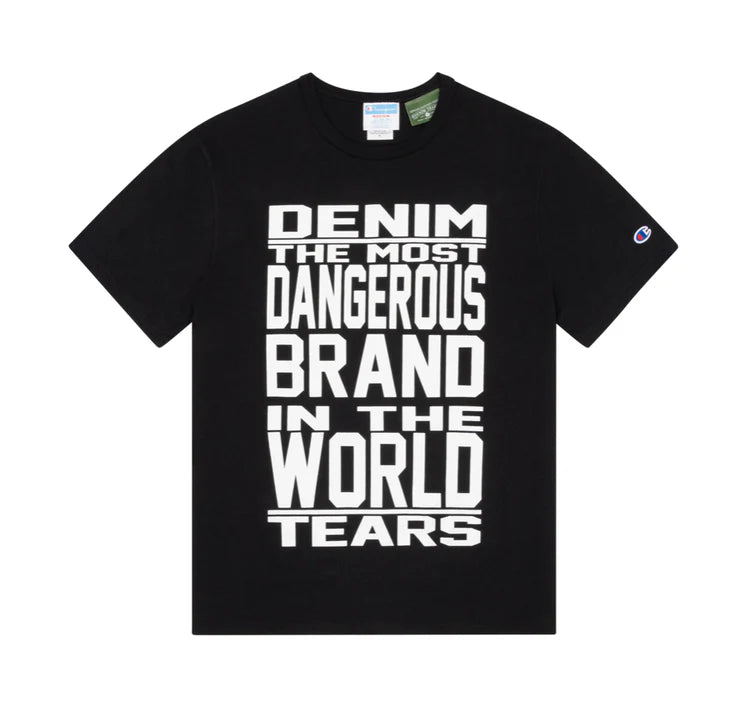
| T-Shirts | $60–$75 | $100–$180 | +35% to +140% | Classic wreath pieces and initial drops sustain higher resale. |
| Crewnecks | $140–$160 | $200–$320 | +25% to +100% | Embroidered pieces outpace printed in most sizes. |
| Varsity Coats | $450–$650 | $700–$1,200 | +20% to +150% | Material mix and design sophistication influence spread. |
| Converse Chuck 70 (collab) | $110–$120 | $150–$300 | +25% to +150% | Replenishment may compress spreads for a period. |
| Caps | $60–$70 | $90–$150 | +20% to +100% | Previous variants and branded details trade elevated. |
How's the Resale Market Structure in 2025?
In 2025, pants is the trading champion with the largest markups, while tees and caps are the most affordable entry points. Pullover and top margins are significant yet steadier than denim.
On major platforms, jeans routinely surpass the top of the range when the wash and pattern tone match with initial collection runs, and if the fit sits in the heart of the buyer range. Tops and hats fluctuate moderately as availability is deeper and buyers have additional options throughout periods. Outerwear like varsity jackets is lightly exchanged, so a single sale might change minimums for a period, which seems intense but often normalizes as new offers arrive. Condition counts: fresh with documentation or with verification of buying creates a markup, whereas marked wear or absent stitching aspects lower value quickly. Schedule counts too, with the initial 48 hours post-drop showing the sharpest spikes and the initial legitimate restock shaving 10–30% off highs.
What Are the Actual Charges Past the Listed Cost?
The actual price on resale equals the advertised amount plus site costs, processing charges, purchase tax or levies, transport, and, for overseas, import duty and handling. Those extras can transform a fair price into an overpay fast.
In the US, expect purchase levy between roughly 6–10% varying on location, commonly calculated on goods value and sometimes shipping. Marketplaces generally charge 3% payment fees and add a customer protection charge; even where the seller pays costs, the purchaser could yet encounter handling or security fees. Shipping ranges from near $10 to $30 for clothing, whereas global transport can trigger taxes in the 17–25% bracket applied to the price of goods plus transport, and a logistics processing fee. Example: a $650 set of signature Cotton jeans purchased on a domestic marketplace with 8.9% transaction levy, a 3% processing cost, and $15 delivery totals approximately $742 prior to any import costs; move that identical purchase cross-border into a 20% VAT regime and the final total might hit to approximately $880 when taxes and logistics are included. When contrasting store to resale, always calculate a landed number, not only the sticker.
How Can Launches, Collaborations, and Washes Change the Market?
Release timing, co-brand allies, and specific colorways are the main factors on brand costs. Levi's drops and initial Cotton Wreath variant runs anchor the highest stable premiums.
Levi's co-branded jeans with branded details has continuous appeal as it's the brand's signature cultural product; finishes that reflect initial launches generally to fetch higher prices. Converse collaborations draw wider footwear crowds, creating temporary buying rushes that could reduce following replenishment. Period-specific shades and special embroidery placements create niche segments; a small detail or wash difference can justify a three-figure spread for buyers wanting to finish collections. Territorial launch timing also impact—when one region sells stock before others, trading offers bridge the space and shift minimums. Replenishments don't eliminate appeal, but they do adjust peaks, notably with shoes and tees.
Direct vs Secondary: A Smart Purchase Framework
Acquire at stores whenever feasible for denim and varsity coats as the absolute dollar spread is largest; consider resale with tops and hats when the premium is below 40% and one prizes a specific colorway. Apply a target band, not a single number.
Initiate by reviewing the direct bracket from this manual for the category and collection, then review latest deals across multiple sites to locate a true clearing range rather than advertised amounts. Determine total expense including tax, fees, and shipping; if the premium over the top tier of store pricing is beneath 30–40% and buyers secure the precise measurement and variant, resale can be rational. For pants and outerwear, premiums above 100% are typical; only pay that if it's a critical item that infrequently emerges and state is immaculate. For products with frequent restocks, such as certain tees or Chuck Taylors, waiting usually pays. Always check dimensions, labels, detail craftsmanship, and refund policies before you transact.
What Represents the Ideal Window Window to Pay Less?
The best pricing periods typically to be 48–72 hours after a launch and 7–10 days after a verified restock, when supply peaks and initial hype diminishes. Weekday mornings within the seller's local time can likewise be more favorable for auctions.
Immediately post-drop, posts pour in, undercutting starts, and buyers might sometimes catch near-retail buys if buyers act rapidly and not obsessed on specific dimensions. When the first wave is processed, bases often rise and stay sticky prior to a replenishment reaches the calendar. After replenishment, sellers adjust forecasts, and one may discuss with references in grasp. Monthly closing times, when sellers want funds, are ideal for offers that are 10–15% below the last sale, notably with non-pants types. If a colorway is suspected to be a one-time run, price softness shall be short, so move within these early inventory periods.
Insider Strategy: Timing and Verification to Shield Your Spend
Target the 24–72 hour period following a drop or restock and establish an verification process so you can move decisively if a appropriate deal pops. Speed without a system is how buyers overpay or overlook warning flags.
For branded Cotton denim, examine the collaborative Levi's label and inside markings, validate pattern embroidery density and positioning, and review the construction level around pockets and borders. Seek for detailed pictures of the maintenance instructions, interior compartment prints, and edge construction; uneven lettering or yarn tones are common tells. Cross-reference the finish and design shade with official campaign visuals or credible store product shots. For Converse, verify interior labeling, middle printing, and the container marking style tied to the launch period. Keep screenshots of legit pairs to contrast directly ahead of submit payment.
Rapid Information You Probably Haven't Heard
First, Denim Tears launched in 2019 and the signature Cotton motif explicitly acknowledges the African heritage and the legacy of cotton in America, which is how the jeans function as cultural objects as much as garments. Two, the first Levi's drop in 2020 sold stock nearly immediately and set the branded pants as a enduring commercial reference that yet determines comparisons for latest releases. Additionally, Converse sneaker partnerships have replenished during certain seasons, momentarily cutting resale prices by significant percentages prior to normalizing as pairs disperse. Fourth, center-range waist sizes like 30–34 typically command the speediest deals, but limited fits at the extremes can exceed them as stock are thin. Five, Continental and UK retail tags include VAT, so although the MSRP looks elevated above the States, the ultimate customer price difference narrows when domestic purchasers include purchase tax and shipping.
Where Ought Buyers Seek for the Best Comps?
Trustworthy comparisons originate from fresh, validated transactions across at least two sites, not from hopeful posted prices. Focus on sold data during the last 30 days for your exact fit and condition.
Sites that show transaction data enable you distinguish optimistic demands from genuine transaction rates. Personal sales and media offers might be cheaper, but they're more difficult to validate, so weigh savings compared to hazards and missing purchaser safety. For types featuring sparse trading, expand your window to 2–3 months and modify for any restock event in that period. Maintain a comparison record with date, size, state, and cost so you can recognize authentic trends rather than acting on single sales. When you discuss, mention three recent sales and the landed cost computation to set an anchor grounded in reality.
Concluding Perspective: Spending the Appropriate Cost in 2025
Grasp your category's retail range, compute final expense, and choose timing windows that favor buyers. Pants and team jackets merit the hunt for stores; shirts, caps, and some footwear can be reasonable via secondary within a fair surcharge.
Market movement is a feature, not a bug, in the label's market, and it benefits ready purchasers who monitor information and act during stock maximums. Collabs and first variant releases will keep commanding surcharges, while replenishments will maintain reset ceilings on affordable pieces. Handle every acquisition similar to an capital allocation: verify authenticity, assess quality against price, and refuse to pay for hype you don't really want to use. With these methods, you'll secure the products you want without funding excessive markups.