
 By jjrdiarcplk@teml.net
 The Blueprint of Immortality: Decoding the Japanese Longevity Secret
Japan consistently tops global charts for life expectancy, boasting one of the highest concentrations of centenarians on Earth. While genetics play a role, the true "magic" lies in a sophisticated tapestry of cultural habits, dietary wisdom, and a unique social philosophy. To understand why the Japanese live longer, one must look beyond the doctor’s office and into the daily rhythm of their lives.
The Wisdom of the Plate
The foundation of Japanese health is Washoku, the traditional dietary culture. Unlike the calorie-dense, processed diets of the West, the Japanese meal is built on nutrient density and balance. Staples include fermented soy (miso and natto), omega-3-rich fish, and a colorful array of seaweeds and seasonal vegetables.
Crucially, it isn't just what they eat, but how they eat. The Okinawan practice of Hara Hachi Bu—eating until you are only 80% full—acts as a natural defense against obesity and metabolic strain. By practicing caloric restriction without malnutrition, the body maintains better digestive efficiency and lower levels of oxidative stress.
Movement as a Way of Life
In Japan, exercise isn't a grueling hour at the gym; it is woven into the infrastructure of daily existence. High reliance on public transportation means most citizens walk or cycle several miles a day just to commute. Even the elderly participate in Rajio Taiso, a national tradition of synchronized morning calisthenics. This consistent, low-impact movement keeps joints mobile and cardiovascular health strong well into the ninth and tenth decades of life.
The Power of Purpose: Ikigai
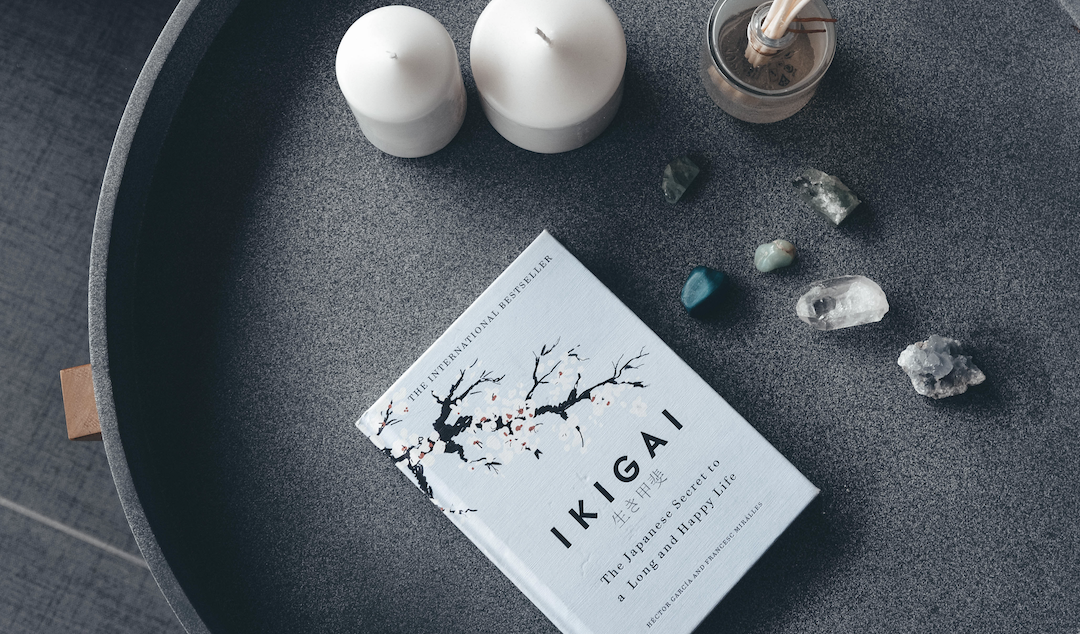
Perhaps the most profound secret is psychological. The Japanese concept of Ikigai translates to "a reason for being." It is the intersection of what you love, what you are good at, and what the world needs. In many Japanese communities, there is no word for "retirement" in the Western sense. Elders remain active contributors to society, whether through gardening, mentoring, or community service. This sense of being needed wards off the cognitive decline and depression often associated with isolation in old age.
A Culture of Prevention
Finally, Japan’s success is bolstered by a world-class healthcare system that prioritizes prevention. Regular health screenings are a cultural https://rebeccasingsonmd.com/ norm, and the government actively promotes "metabolic check-ups" to catch lifestyle diseases in their infancy. Combined with a culture that values hygiene and communal well-being, the environment is engineered for survival.
Conclusion
The Japanese "secret" is actually a transparent set of values: eat mindfully, move naturally, and maintain a reason to wake up in the morning. Longevity, in this context, isn't about fighting death, but about honoring life through balance and community.