
 By henryphilip
 Good design is very important in printing. A clear image can make a big difference in how a product looks. Many people create artwork using photos or raster images. These images may look fine on a screen. But when they are printed, the result may not be sharp. The edges can look rough. Colors may also lose their beauty.This is why many designers change their artwork into vector format before printing. Many professionals also use Vector Artwork Conversion Services to turn simple images into clean and scalable graphics.
This process helps improve print quality and makes the final design look neat and professional.In this article, we will explain why vector artwork is so helpful in printing. We will also talk about how it works, why it matters, and when you should use it.
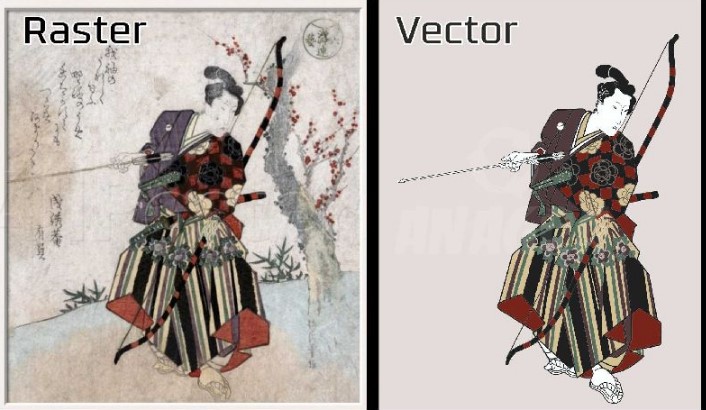
Understanding the Difference Between Raster and Vector Images
Before we talk about print quality, it is good to know the difference between raster and vector images.
What Is a Raster Image?
A raster image is made from tiny squares called pixels. Each pixel has its own color. When all the pixels come together, they create an image.
Common raster formats include:
- JPG
- PNG
- BMP
- GIF
Raster images are great for photos. But they have one big problem.
If you make the image bigger, the pixels stretch. The image becomes blurry and rough.
This is why raster images often lose quality in large prints.
What Is a Vector Image?
Vector images are different. They are made using lines, shapes, and curves. These shapes are created using math rules.
This means the image can grow or shrink without losing quality.
Common vector formats include:
- AI
- EPS
- SVG
- PDF (vector type)
Because of this, vector images are perfect for printing.
Why Print Quality Matters
Print quality is very important for businesses and designers. A poor print can damage a brand image.
First Impressions Matter
People often judge a brand by how it looks.
If a logo looks blurry or rough on a shirt, banner, or business card, it may look unprofessional.
Clean artwork helps a brand look strong and trusted.
Professional Printing Needs Clean Files
Printers work best with clear and sharp files. Vector artwork helps machines follow exact shapes.
This means the printer can create clean lines and smooth curves.
How Vector Format Improves Print Quality
Vector artwork brings many benefits to the printing process.
Sharp Edges at Any Size
One of the biggest advantages is scaling.
Vector images can be enlarged without losing quality.
A logo can appear:
- Small on a pen
- Medium on a shirt
- Large on a billboard
The quality stays sharp every time.
Smooth Curves and Lines
Raster images may create jagged edges when printed.
Vector graphics create smooth curves. The lines stay clean and neat.
This is very important for logos, text, and shapes.
Better Color Control
Vector files allow better color management.
Designers can use exact color values. This helps printers match colors more accurately.
This is useful for:
- Brand logos
- Promotional items
- Marketing materials
Perfect for Many Print Methods
Vector artwork works well with many printing styles such as:
- Screen printing
- Embroidery
- Heat transfer
- Vinyl cutting
- Large format printing
Because the lines are clear, machines can read the design easily.
Why Businesses Choose Vector Artwork
Many businesses now prefer vector designs for their branding.
Easy to Edit and Update
Vector artwork can be edited easily.
Designers can:
- Change colors
- Adjust shapes
- Modify text
- Resize graphics
All without losing quality.
Saves Time for Future Projects
Once a logo is converted into vector format, it can be used again and again.
The same file can work for:
- Shirts
- Banners
- Stickers
- Packaging
- Signs
This saves time for designers and printers.
Better Results for Embroidery
Embroidery machines follow paths when stitching.
Vector artwork helps define these paths clearly.
This leads to cleaner stitching and better embroidery results.
Many embroidery experts prefer vector files for digitizing work.
Real Printing Problems Caused by Raster Images
Many people send low quality images to print shops.
This often leads to problems.
Blurry Logos
When raster logos are enlarged, the pixels stretch.
The logo may look soft and unclear.
Rough Edges
Curves and lines may appear broken or jagged.
This reduces the beauty of the design.
Color Issues
Raster images sometimes create color shifts during printing.
This can make brand colors look wrong.
How Artwork Is Converted to Vector
The process of converting artwork to vector format is called vectorization.
Step 1: Analyzing the Image
A designer first studies the image carefully.
They check shapes, lines, and colors.
Step 2: Redrawing the Artwork
The designer redraws the image using vector tools.
They create clean shapes and curves.
Step 3: Color Matching
Colors are matched to keep the design accurate.
This is important for brand identity.
Step 4: File Optimization
Finally, the file is saved in a vector format.
This file is ready for printing.
When You Should Convert Artwork to Vector
Not every design needs vector conversion. But many printing projects do.
Logos
Logos should always be in vector format.
They appear on many products and must stay sharp.
Apparel Printing
T-shirts, hats, and uniforms need clean artwork.
Vector graphics help achieve better results.
Signs and Banners
Large signs require large images.
Vector files keep the design clear even at huge sizes.
Promotional Products
Items like mugs, pens, and bags also benefit from vector artwork.
The Role of Experts in Vector Conversion
Converting artwork is not always simple.
Auto tools can create messy results.
Professional designers often redraw artwork manually to keep lines clean.
This is why many businesses trust companies like Embroidery Digitizing Services in USA - Digitizing Buddy. Their experienced team understands how to prepare artwork for printing and embroidery.
Experts make sure every detail looks clean and balanced.
How Vector Artwork Helps Embroidery Digitizing
Embroidery digitizing requires very precise artwork.
Vector graphics make the digitizing process easier.
Clear Stitch Paths
Digitizers can see exact shapes and borders.
This helps them plan stitch paths properly.
Accurate Design Details
Small details are easier to control when the artwork is clean.
This improves the final embroidery look.
Better Machine Performance
Machines read vector-based designs more clearly during preparation stages.
Companies such as Embroidery Digitizing Services in USA - Digitizing Buddy often rely on vector artwork to create smooth embroidery designs.
Tips for Preparing Artwork for Printing
If you want better print results, follow these simple tips.
Use High Quality Files
Start with the best image you have.
Low quality images are harder to convert.
Keep Designs Simple
Simple shapes work better for printing.
Too many small details may cause issues.
Choose the Right Colors
Use standard color systems like Pantone when possible.
This helps keep colors consistent.
Work with Professionals
Expert designers can convert and prepare artwork correctly.
Trusted services like Embroidery Digitizing Services in USA - Digitizing Buddy help businesses get print-ready designs without quality problems.
Future of Vector Graphics in Printing
Printing technology is growing fast. But vector graphics remain a key part of design.
Modern printers and cutting machines depend on clean digital artwork.
As businesses create more custom products, vector artwork will become even more important.
From apparel printing to large advertising banners, vector graphics help maintain quality and professionalism.
Final Thoughts
Converting artwork into vector format is one of the best ways to improve print quality.
Vector images stay sharp at any size. They offer smooth lines, better colors, and clean results.
They also make printing easier for machines and designers.
For businesses that care about branding and quality, vector artwork is a smart choice.
Whether you are printing shirts, signs, or marketing materials, using vector files will always produce better results.
And when the conversion is done by skilled professionals, the design looks even more polished and ready for production.