
 By ijaz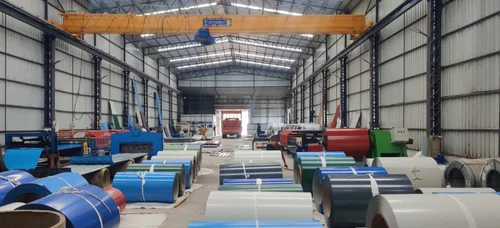
Selecting the right steel fabrication company is a critical decision for any construction, industrial, or infrastructure project. The quality of steel fabrication directly impacts structural strength, durability, safety, and long-term performance of the final build.
A professional steel fabrication company ensures precision engineering, high-quality materials, and compliance with safety standards making it essential to choose wisely before starting any project.
Table of Contents
- What is a Steel Fabrication Company?
- Why Choosing the Right Fabricator Matters
- Key Factors to Consider Before Hiring
- Types of Steel Fabrication Services
- Quality Standards and Certifications
- Cost Factors in Steel Fabrication
- Common Mistakes to Avoid
- Industries That Use Steel Fabrication
- Latest Steel Fabrication Trends in 2026
- FAQs
- Conclusion
What is a Steel Fabrication Company?
A steel fabrication company designs, cuts, shapes, and assembles steel structures according to project requirements. These companies transform raw steel materials into usable structural components used in buildings, warehouses, bridges, industrial facilities, and commercial infrastructure.
Typical services include:
- Cutting and bending steel
- Welding and assembly
- Structural steel manufacturing
- Custom steel components
- Industrial fabrication solutions
Why Choosing the Right Steel Fabrication Company Matters
Choosing the right partner ensures the success, safety, and durability of your project.
A reliable fabricator helps you:
- Ensure structural strength and safety
- Improve project efficiency and timelines
- Reduce long-term maintenance costs
- Maintain engineering accuracy
- Achieve high-quality finishing standards
Poor fabrication can lead to structural failures, delays, and increased project costs.
Key Factors to Consider Before Hiring a Steel Fabrication Company
Experience and Industry Expertise
Experience is one of the most important factors when selecting a fabrication company.
Look for companies with:
- Proven industry experience
- Completed industrial and commercial projects
- Skilled engineering teams
- Strong technical knowledge
Experienced fabricators understand complex project requirements better.
Quality of Materials Used
High-quality steel is essential for durability and safety.
Check whether the company uses:
- Certified steel grades
- Corrosion-resistant materials
- Industry-approved raw materials
Material quality directly affects structural performance.
Manufacturing Capabilities
A strong fabrication company should have advanced manufacturing facilities.
Key capabilities include:
- CNC cutting machines
- Automated welding systems
- Precision bending equipment
- Large-scale production capacity
Advanced equipment ensures accuracy and consistency.
Customization Ability
Every project has unique requirements.
Choose a company that offers:
- Custom steel designs
- Flexible fabrication solutions
- Project-specific engineering support
Customization ensures better project alignment.
Compliance and Certifications
A professional steel fabrication company should follow industry standards.
Look for:
- ISO certifications
- Safety compliance standards
- Structural engineering approvals
This ensures quality and reliability.
Project Timeline and Delivery
Timely delivery is critical for construction projects.
Evaluate:
- Production speed
- Delivery commitment
- Project management efficiency
Delays can increase overall project costs.
Types of Steel Fabrication Services
Steel fabrication companies offer different services depending on project requirements.
Structural Steel Fabrication
Used in buildings, bridges, warehouses, and industrial frameworks.
Industrial Fabrication
Used in factories, plants, and heavy-duty industrial setups.
Custom Metal Fabrication
Designed for unique architectural or engineering needs.
Heavy Duty Fabrication
Used for large-scale infrastructure and high-load structures.
Cost Factors in Steel Fabrication
The cost of steel fabrication depends on several factors:
- Material type and grade
- Project size and complexity
- Labor and engineering requirements
- Design customization
- Delivery timelines
Understanding cost structure helps in better budget planning.
Common Mistakes to Avoid
Avoid these mistakes when selecting a steel fabrication company:
- Choosing only based on low price
- Ignoring certifications and standards
- Overlooking past project experience
- Not reviewing material quality
- Ignoring delivery timelines
These mistakes can affect project safety and performance.
Industries That Use Steel Fabrication
Steel fabrication is widely used across multiple industries:
- Construction and infrastructure
- Warehousing and logistics
- Manufacturing industries
- Oil and gas sector
- Automotive industry
- Commercial building projects
Latest Steel Fabrication Trends in 2026
The industry is evolving with advanced technology and innovation.
Automation in Fabrication
CNC machines and robotics improve precision and efficiency.
Smart Engineering Design
Digital modeling and CAD systems enhance accuracy.
Sustainable Steel Production
Eco-friendly materials and recycling are becoming more common.
Modular Steel Structures
Pre-engineered components speed up construction timelines.
FAQs
What does a steel fabrication company do?
It transforms raw steel into structural components used in construction and industrial projects.
How do I choose the best steel fabrication company?
Check experience, equipment, material quality, certifications, and project portfolio.
Why is steel fabrication important?
It ensures strong, durable, and safe structural construction.
Is custom steel fabrication expensive?
It depends on design complexity, materials used, and project size.
Conclusion
Choosing the right steel fabrication company is essential for ensuring safety, durability, and efficiency in any construction or industrial project. By evaluating experience, quality standards, manufacturing capability, and compliance, you can select a reliable partner that delivers long-term value.
A well-chosen fabrication company not only improves structural performance but also ensures your project is completed on time and within budget in 2026 and beyond.