
 By Isoldevoss
 Introduction to Digital Precision in Aesthetic Planning
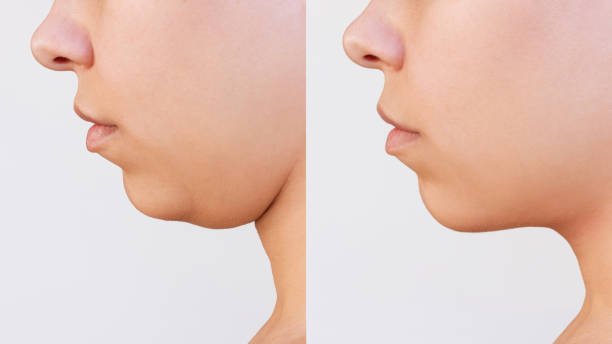
Technological innovation continues to transform the landscape of aesthetic medicine, enabling practitioners to design highly customized treatment strategies with enhanced accuracy. Among the most influential advancements is the integration of digital imaging systems that allow clinicians to visualize facial structures in remarkable detail before initiating any contour modification. The growing demand for Double Chin Removal in Abu Dhabi reflects a broader preference for precision-based methodologies that emphasize balanced facial harmony and subtle aesthetic refinement. Digital imaging planning contributes to improved predictability by allowing practitioners to evaluate structural relationships within the submental region and determine the most suitable pathway for enhancement.
Modern aesthetic philosophy increasingly prioritizes natural outcomes that complement existing facial proportions. Digital visualization tools support this philosophy by allowing detailed assessment of tissue characteristics, enabling clinicians to approach contour refinement with clarity and confidence. The transition toward imaging-supported planning demonstrates the commitment of aesthetic specialists to achieving consistent results through data-driven analysis.
Understanding the Submental Structure Through Visualization
The area beneath the chin consists of complex anatomical components that influence the overall appearance of the lower face. Skin thickness, connective tissue density, fat distribution, and muscular positioning collectively determine contour visibility. Traditional consultation methods relied primarily on physical examination and observational assessment, which may not always capture subtle structural variations. Digital imaging technologies introduce an additional layer of insight by allowing practitioners to evaluate internal relationships between tissues.
Double Chin Removal in Abu Dhabi increasingly benefits from imaging systems capable of generating high-resolution visual representations of the submental region. These digital models assist clinicians in identifying the distribution of adipose tissue and assessing how structural elements interact with each other. Improved visualization supports more precise contour planning, ensuring that modifications align with the natural balance of facial features.
Three-Dimensional Assessment Enhancing Treatment Strategy
Three-dimensional imaging plays a crucial role in modern contour planning by providing a comprehensive perspective on facial proportions. Unlike traditional two-dimensional photographs, 3D imaging systems capture depth and spatial relationships between anatomical landmarks. This advanced evaluation method allows practitioners to analyze the interaction between the chin, jawline, and neck with greater accuracy.
Double Chin Removal in Abu Dhabi often incorporates 3D simulation tools that enable clinicians to map contour adjustments before initiating treatment. The ability to visualize projected changes enhances communication between practitioner and patient, fostering realistic expectations regarding potential outcomes. Three-dimensional planning supports precise identification of treatment zones and encourages subtle modifications that contribute to harmonious facial balance.
Predictive Modeling and Outcome Visualization
Predictive modeling technologies are becoming increasingly influential in aesthetic treatment planning. These systems analyze anatomical data to generate simulations that illustrate potential contour improvements. The capacity to preview projected results allows practitioners to refine treatment strategies based on individual tissue characteristics.
In Double Chin Removal in Abu Dhabi, predictive imaging assists clinicians in determining the degree of volume adjustment required to achieve natural-looking enhancement. Simulation tools allow for minor adjustments in contour projection, supporting gradual refinement that aligns with facial proportions. This level of precision contributes to increased confidence in treatment planning and promotes transparency throughout the consultation process.
Personalized Treatment Mapping Through Digital Analysis
Each patient presents unique anatomical features that influence the contouring process. Digital imaging allows practitioners to create personalized treatment maps based on tissue density, skin elasticity, and structural balance. The ability to measure subtle variations in contour angles enables clinicians to design strategies that respect individual facial identity.
Double Chin Removal in Abu Dhabi increasingly involves digital mapping systems that highlight specific areas requiring refinement. This individualized approach ensures that contour modifications remain proportionate to the broader facial framework. Personalized imaging analysis contributes to improved consistency in outcomes and supports gradual aesthetic enhancement that appears authentic.
Integration of Digital Imaging with Minimally Invasive Techniques
Minimally invasive procedures continue to gain popularity due to their ability to provide subtle contour refinement with reduced downtime. Digital imaging planning enhances the effectiveness of these techniques by offering detailed insights into tissue positioning and responsiveness. Practitioners can adjust treatment parameters based on visual data obtained through imaging analysis.
Double Chin Removal in Abu Dhabi frequently integrates imaging-supported planning with advanced contouring technologies. The combination of visualization and minimally invasive methodology allows clinicians to achieve balanced results while preserving surrounding anatomical structures. Precision planning supports controlled modifications that maintain natural transitions between facial zones.
Structural Harmony and Facial Proportion Optimization
Facial aesthetics depend on the relationship between different anatomical regions rather than isolated features. The chin and neck play a central role in defining the lower facial profile, influencing perceived symmetry and proportional balance. Digital imaging systems assist practitioners in evaluating how contour adjustments may affect overall facial harmony.
Double Chin Removal in Abu Dhabi reflects a holistic planning approach in which clinicians consider the interaction between the jawline, chin projection, and neck angle. Imaging tools provide valuable insights into how subtle modifications may improve structural continuity. This perspective encourages treatment strategies that enhance the entire facial profile rather than focusing solely on localized volume reduction.
Skin Quality Evaluation Through Imaging Technologies
Skin condition plays an essential role in determining the final appearance of contour refinement procedures. Digital imaging systems allow practitioners to evaluate dermal thickness and elasticity, which influence how the skin adapts to structural changes. Assessing collagen density and tissue resilience supports the selection of complementary techniques that improve contour clarity.
In Double Chin Removal in Abu Dhabi, imaging analysis often contributes to the development of combined strategies that address both fat reduction and skin quality enhancement. Technologies that stimulate collagen remodeling may be incorporated into treatment plans to improve surface smoothness and maintain long-term stability of results. The integration of dermal evaluation reflects a comprehensive approach to contour optimization.
Enhancing Communication Through Visual Consultation Tools
Digital imaging technologies also improve communication between practitioner and patient by providing clear visual representations of potential outcomes. Seeing projected contour adjustments helps individuals understand the relationship between structural modifications and overall facial balance. Visual consultation tools encourage collaborative decision-making and contribute to realistic treatment expectations.
Double Chin Removal in Abu Dhabi increasingly involves the use of imaging software that allows practitioners to demonstrate incremental changes in contour projection. Patients benefit from the opportunity to explore different refinement possibilities, supporting confidence in the chosen treatment pathway. Enhanced communication contributes to a more transparent and informed aesthetic experience.
Future Developments in Imaging-Supported Aesthetic Planning
Technological progress continues to expand the capabilities of digital imaging systems in aesthetic medicine. Artificial intelligence-supported platforms may further refine predictive modeling accuracy, enabling practitioners to analyze tissue behavior with greater precision. Advanced software solutions may provide deeper insights into anatomical variation, supporting even more personalized contour strategies.
The evolution of Double Chin Removal in Abu Dhabi reflects a broader movement toward technology-driven customization. As imaging tools become increasingly sophisticated, clinicians may achieve greater consistency in contour outcomes while preserving natural anatomical balance. Future developments are expected to enhance both efficiency and effectiveness in aesthetic planning methodologies.
Conclusion: The Importance of Digital Visualization in Precision Contouring
Digital imaging planning represents a significant advancement in the pursuit of refined and balanced contour enhancement. By providing detailed visualization of anatomical structures, these technologies support individualized treatment pathways that align with each patient’s unique facial proportions. Double Chin Removal in Abu Dhabi demonstrates how imaging-supported precision contributes to improved aesthetic harmony and predictable outcomes.
The integration of three-dimensional analysis, predictive modeling, and personalized mapping reflects the growing sophistication of modern aesthetic medicine. As innovation continues to shape the field, digital imaging planning is likely to remain a fundamental component of precision contouring strategies that prioritize natural-looking enhancement and structural balance.