
 By tomderee
 Sustainability now drives modern purchasing decisions. Customers actively search for brands that reduce environmental impact and support responsible production. Therefore, businesses must rethink packaging strategies to meet rising expectations. Soap brands especially benefit from eco-friendly packaging because their products often connect with natural living and self-care. In this comprehensive guide, you will learn how Soap Boxes can become sustainable, attractive, and profitable at the same time.
Why Sustainable Packaging Matters for Soap Brands
Sustainable packaging plays a crucial role in shaping brand perception. Consumers increasingly prefer products that align with their environmental values. Consequently, packaging often influences buying decisions more than price or convenience.
Firstly, sustainable packaging reduces waste and carbon emissions. Secondly, it strengthens brand trust and credibility. Thirdly, it improves long-term cost efficiency by optimizing materials and shipping weight.
Moreover, governments worldwide continue to introduce regulations that encourage recyclable and biodegradable packaging. Therefore, adopting eco-friendly Soap Boxes prepares businesses for future compliance and market shifts.
Understanding Sustainable Soap Boxes
Sustainable Soap Boxes use materials and production methods that minimize environmental impact. Businesses focus on recyclability, biodegradability, and renewable resources. At the same time, they maintain durability and visual appeal.
Sustainable packaging follows three core principles:
- Reduce material usage
- Reuse whenever possible
- Recycle after use
When brands follow these principles, they create packaging that protects products while protecting the planet.
Benefits of Eco-Friendly Soap Boxes
1. Builds Strong Brand Identity
Sustainable packaging communicates responsibility and transparency. Customers feel confident when they see eco-conscious packaging choices. As a result, they develop long-term loyalty toward your brand.
2. Attracts Eco-Conscious Consumers
Today’s customers actively research brands before purchasing. Many shoppers prioritize eco-friendly packaging and avoid plastic-heavy products. Therefore, sustainable Soap Boxes attract a growing audience segment.
3. Reduces Environmental Impact
Eco-friendly packaging minimizes landfill waste and pollution. Businesses reduce their carbon footprint by using renewable or recyclable materials.
4. Enhances Product Appeal
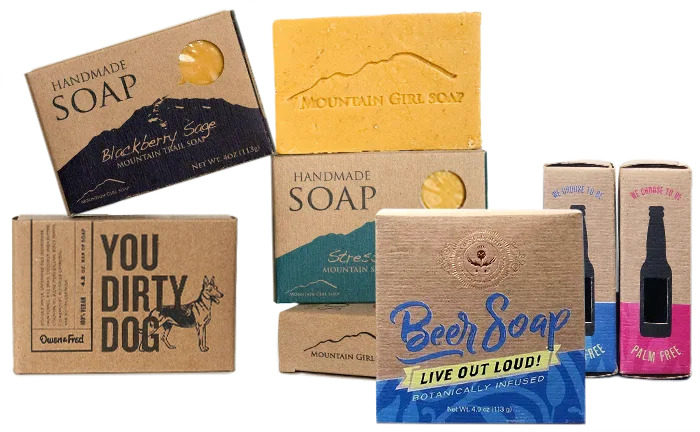
Natural-looking packaging creates a premium and organic feel. Customers often associate kraft or recycled packaging with quality and authenticity.
5. Improves Shipping Efficiency
Lightweight materials reduce shipping costs and fuel consumption. Consequently, companies save money while lowering emissions.
Best Materials for Sustainable Soap Boxes
Choosing the right material forms the foundation of eco-friendly packaging. Several sustainable options offer durability and aesthetic value.
Kraft Paper
Kraft paper remains one of the most popular choices for Soap Boxes. It comes from wood pulp processed using eco-friendly methods. Additionally, kraft packaging offers excellent strength and natural texture.
Recycled Cardboard
Recycled cardboard reduces the need for virgin materials. Businesses reuse existing paper waste to create sturdy packaging. Furthermore, customers can easily recycle cardboard after use.
Corrugated Paperboard
Corrugated paperboard adds extra protection during shipping. Its layered structure absorbs shocks and prevents product damage.
Seed Paper Packaging
Seed paper offers a unique and innovative solution. Customers can plant the packaging after use to grow herbs or flowers. This approach creates a memorable unboxing experience.
Biodegradable Coatings
Traditional packaging often uses plastic lamination. However, biodegradable coatings provide moisture resistance without harming the environment.
Sustainable Printing Techniques
Packaging sustainability goes beyond materials. Printing processes also affect environmental impact. Therefore, brands must adopt eco-friendly printing methods.
Soy-Based Inks
Soy inks replace petroleum-based alternatives. They produce vibrant colors while remaining biodegradable and renewable.
Water-Based Inks
Water-based inks reduce chemical emissions and improve recyclability. Additionally, they create safer working environments during production.
Minimalist Design
Simple designs reduce ink usage and lower production costs. Moreover, minimalist packaging often looks modern and premium.
Designing Attractive Eco-Friendly Soap Boxes
Sustainability does not mean sacrificing aesthetics. In fact, eco-friendly packaging often enhances visual appeal. Designers combine natural textures, soft colors, and clean layouts to create elegant packaging.
Use Natural Color Palettes
Earthy tones communicate sustainability effectively. Shades of green, beige, brown, and cream create a calming appearance.
Highlight Sustainability Messaging
Brands should clearly mention recyclable or biodegradable features. This transparency builds trust and encourages eco-conscious purchasing.
Incorporate Window Cutouts
Window cutouts allow customers to see the soap inside. As a result, brands reduce printing while enhancing product visibility.
Add Minimal Branding Elements
Clean logos and subtle typography improve the premium feel. Additionally, minimal branding supports eco-friendly design principles.
Certifications That Boost Credibility
Certifications reassure customers about sustainability claims. Therefore, businesses should consider obtaining recognized eco-certifications.
- FSC Certification (Forest Stewardship Council)
- Recycled Content Certification
- Carbon Neutral Certification
- Compostable Packaging Certification
These labels strengthen credibility and differentiate your brand in a competitive market.
Cost Considerations for Sustainable Packaging
Many businesses assume sustainable packaging costs more. However, long-term savings often offset initial investments.
Reduce Material Waste
Smart design minimizes excess packaging. Consequently, companies spend less on raw materials.
Optimize Shipping
Lightweight Soap Boxes lower shipping expenses. Over time, these savings become significant.
Increase Customer Retention
Eco-conscious consumers prefer brands with sustainable values. Therefore, customer loyalty increases revenue and reduces marketing costs.
How Sustainable Soap Boxes Improve Marketing
Sustainable packaging works as a powerful marketing tool. It tells your brand story without extra advertising. Customers often share eco-friendly packaging on social media. As a result, brands gain free organic promotion.
Additionally, sustainability messaging enhances website SEO. Keywords such as eco-friendly packaging, recyclable packaging, and biodegradable boxes attract search traffic.
Steps to Transition to Sustainable Soap Packaging
Switching to eco-friendly Soap Boxes requires careful planning. However, businesses can simplify the process by following these steps.
Step 1: Audit Current Packaging
Evaluate your existing materials and suppliers. Identify areas that generate waste or use non-recyclable materials.
Step 2: Choose Sustainable Suppliers
Partner with manufacturers that prioritize renewable materials and ethical production.
Step 3: Redesign Packaging
Create packaging that uses fewer materials while maintaining durability and branding.
Step 4: Educate Customers
Inform customers about your sustainability journey. Transparency strengthens trust and loyalty.
Step 5: Monitor and Improve
Continuously review packaging performance and customer feedback. Improvement ensures long-term success.
Consumer Trends Driving Sustainable Packaging
Modern consumer behavior continues to shape packaging trends. Several key patterns influence the demand for sustainable Soap Boxes.
- Customers prefer plastic-free packaging
- Minimalist design remains highly popular
- Transparency builds brand trust
- Recyclability influences purchase decisions
- Sustainable packaging encourages repeat purchases
Brands that adapt quickly gain a competitive advantage in the market.
Common Mistakes to Avoid
Businesses sometimes struggle during the transition to eco-friendly packaging. Avoiding common mistakes ensures a smoother process.
Avoid Greenwashing
Brands must make honest sustainability claims. Misleading statements damage trust and reputation.
Avoid Over-Complex Designs
Complex packaging increases material use and production costs. Simple designs remain more sustainable.
Avoid Ignoring Customer Communication
Customers appreciate transparency. Therefore, brands should clearly explain sustainability efforts.
The Future of Sustainable Soap Boxes
Packaging innovation continues to evolve rapidly. New materials and technologies promise even greener solutions. For example, mushroom packaging and algae-based materials show exciting potential.
Additionally, circular economy models encourage reuse and recycling. Businesses that adopt these models will lead the industry in the coming years.
Final Thoughts
Sustainability no longer represents a trend. Instead, it defines the future of packaging and consumer behavior. Businesses that adopt eco-friendly Soap Boxes strengthen their brand, reduce environmental impact, and improve customer loyalty.
Moreover, sustainable packaging supports long-term profitability and regulatory readiness. By choosing renewable materials, eco-friendly printing, and minimalist designs, brands create packaging that benefits both customers and the planet.
Now represents the perfect time to invest in sustainable packaging solutions. With careful planning and commitment, eco-conscious businesses can turn Soap Boxes into powerful tools for growth, marketing, and environmental responsibility.