
 By kokomi
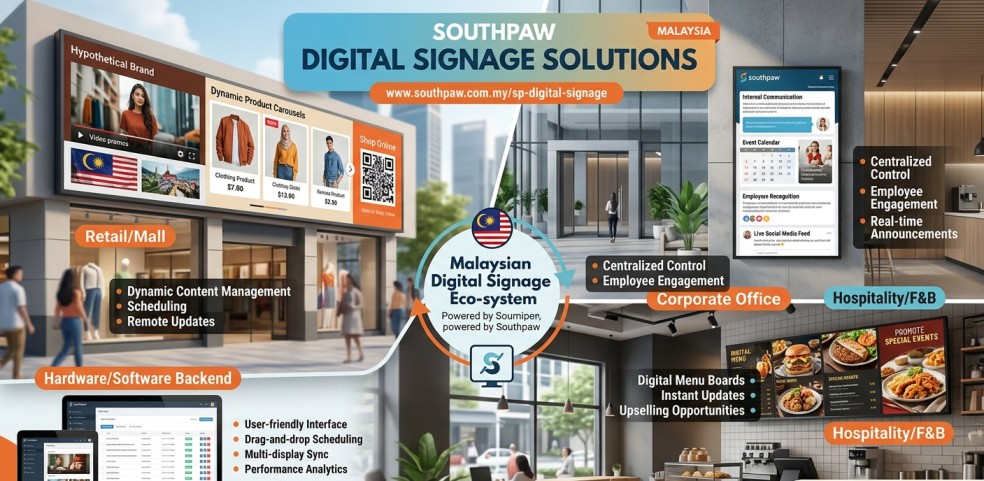
 Walking through a busy shopping centre in Kuala Lumpur, you are immediately met with bright screens flashing the latest fashion deals and food promotions. The adoption of digital signage malaysia is transforming how brick-and-mortar stores capture attention. Retailers are constantly looking for innovative methods to convert passing foot traffic into paying customers. The evidence is clear: digital signage can significantly boost retail sales in Malaysia, offering a highly effective way to engage modern consumers.
Understanding Digital Signage
Digital signage refers to electronic displays used to show television programming, menus, information, advertising, and other promotional messages. Rather than relying on printed materials that quickly become outdated, these digital networks allow businesses to control their visual messaging from a central computer.
Retailers currently utilise several distinct types of digital signage to attract shoppers. Massive video walls often dominate shop fronts, creating an unmissable spectacle for anyone walking past. Inside the store, interactive touchscreens let shoppers browse the full inventory or check available sizes. Some premium brands are even adopting transparent screens, which overlay digital graphics and information onto physical products displayed in a glass case.
How Digital Signage Increases Sales
Replacing traditional posters with digital screens offers a multitude of direct commercial benefits.
Enhanced Customer Engagement
Dynamic video content grabs attention far better than static paper posters. Movement naturally catches the human eye, drawing shoppers toward the display. Furthermore, interactive experiences invite shoppers to actively participate. By using touchscreens or scanning QR codes displayed on the monitor, customers engage directly with the brand rather than just passively observing an advertisement.
Improved Brand Awareness and Recall
Keeping your branding consistent across multiple touchpoints builds consumer trust. Bright, high-definition displays create memorable visual experiences that stick in a consumer's mind long after they leave the shopping centre. A well-designed digital display reinforces brand colours, messaging, and identity in a highly impactful way.
Effective Promotion of Products and Offers
Shop managers can push real-time updates for flash sales, daily specials, or new arrivals without waiting days for a printing company to deliver new posters. These screens also offer excellent cross-selling and upselling opportunities. If a customer is looking at trainers on an interactive digital catalogue, the software can automatically suggest matching running socks or shoe cleaning kits, increasing the average transaction value.
Data-Driven Decision Making
Modern digital screens do much more than simply play video loops. Interactive displays gather valuable analytics on what customers click, search for, or view most often. Retailers can conduct A/B testing to see which promotional video or layout leads to more purchases. This allows marketing teams to refine their strategy based on hard data rather than guesswork.
Real-World Impact in Southeast Asia
Major retail chains across Southeast Asia have seen measurable success after upgrading their display networks. For instance, cosmetic brands operating in major Malaysian shopping centres have replaced traditional static lightboxes with interactive digital kiosks. Customers use these kiosks to view tutorials, check ingredient lists, and even virtually try on makeup shades using augmented reality cameras. Stores implementing these interactive screens frequently report double-digit increases in customer dwell time, which correlates directly with a noticeable uplift in sales. Supermarkets have also adopted digital end-cap displays, resulting in faster inventory turnover for the promoted grocery items.
Challenges and Considerations
Adopting this display technology does come with specific hurdles that retailers must plan for.
The initial investment costs for commercial-grade screens, media players, and mounting hardware can be substantial. Stores must also allocate ongoing resources for content creation and management. A blank, broken, or outdated screen actively harms a brand's professional image. Technical support and regular hardware maintenance are essential to prevent unexpected downtime. Finally, businesses must ensure they comply with local council regulations regarding digital advertising permits and nighttime lighting restrictions specific to their district in Malaysia.
Best Practices for Maximising ROI
To ensure these digital investments pay off, retailers should follow a few proven strategies.
Strategic placement of the screens is vital. Displays should be positioned at eye level in high-traffic areas or directly behind the point-of-sale registers to capture attention while customers queue. Engaging and relevant content creation keeps the messaging fresh and appealing. Retailers must schedule regular content updates to prevent ad fatigue among repeat customers. Finally, digital displays work best when integrated closely with other marketing efforts. If a store is running a major social media campaign, the in-store digital signage should reflect and amplify that exact same messaging.
The Future of Malaysian Retail Displays
Digital screens offer a powerful tool for boosting retail sales across the country. As screen technology becomes more affordable and cloud-based software becomes easier to manage, even small independent boutiques can leverage these commercial advantages. The future of retail relies on blending the tactile experience of physical shopping with the dynamic convenience of digital marketing. By strategically implementing digital signage, Malaysian retailers can create immersive shopping environments that drive lasting revenue growth.