
 By Isoldevoss
 Introduction
Hair loss is a widespread concern that affects individuals across different age groups and backgrounds. It can significantly influence self-confidence, appearance, and overall quality of life. In response to this growing concern, medical science has developed advanced solutions that go beyond traditional approaches, offering more precise, natural, and long-lasting results.
Among the leading advancements in aesthetic medicine, hair transplantation has evolved into a highly sophisticated procedure supported by cutting-edge innovations. The increasing demand for Hair Transplant in Riyadh highlights the region’s growing reputation as a center for modern cosmetic procedures that combine technology, precision, and artistic design.
The Evolution of Hair Restoration Technology
Hair transplantation has undergone a remarkable transformation over the past few decades. Early techniques often relied on large grafts and basic surgical methods, which sometimes resulted in unnatural appearances and visible scarring. However, advancements in medical technology have revolutionized the field, enabling surgeons to achieve highly refined and natural-looking outcomes.
Today, next-generation hair restoration techniques focus on precision extraction, controlled implantation, and personalized design. These improvements have significantly enhanced both the aesthetic quality and success rates of hair transplant procedures.
Modern technology has allowed hair restoration to become more than just a surgical procedure; it has become an art form that blends science and aesthetics to restore natural hair growth patterns.
Understanding Next-Generation Hair Transplant Methods
Next-generation hair transplant methods are designed to improve accuracy, efficiency, and patient comfort. These techniques utilize advanced tools and digital systems to ensure that every stage of the procedure is optimized for the best possible results.
One of the key innovations in modern hair restoration is the use of micro-surgical instruments that allow for precise follicle extraction. These tools minimize tissue damage and improve the survival rate of transplanted grafts. As a result, patients experience more natural density and faster recovery times.
Another major advancement is the integration of digital imaging systems that assist surgeons in planning hairline design and graft placement. These technologies enable highly detailed analysis of facial structure and hair loss patterns, ensuring a customized treatment approach.
Follicular Unit Extraction and Technological Enhancements
Follicular Unit Extraction (FUE) remains one of the most widely used techniques in modern hair transplantation. This method involves extracting individual hair follicles from donor areas and implanting them into thinning or bald regions.
Next-generation FUE techniques have significantly improved the precision and efficiency of this process. Advanced robotic assistance and motorized extraction tools help reduce human error and increase graft survival rates. These innovations allow for more consistent results and a higher level of control during the procedure.
The minimally invasive nature of FUE also ensures that patients experience less discomfort and reduced downtime compared to traditional methods. This makes it one of the most preferred options for individuals seeking natural and discreet hair restoration.
The Role of Robotic Hair Transplant Systems
One of the most exciting developments in modern hair restoration is the introduction of robotic hair transplant systems. These systems use artificial intelligence and advanced imaging technology to assist surgeons in identifying and extracting optimal hair follicles.
Robotic systems enhance precision by analyzing follicle angle, depth, and density before extraction. This ensures that only the healthiest grafts are selected for transplantation, improving overall results. Additionally, robotic assistance reduces manual strain on surgeons and increases procedural consistency.
The integration of robotics into hair restoration represents a significant leap forward in medical technology, offering patients highly accurate and efficient treatment options.
Direct Hair Implantation and Precision Control
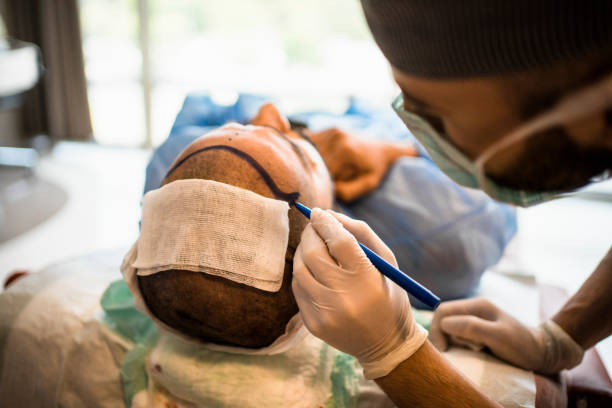
Direct Hair Implantation (DHI) is another advanced technique that has become an essential part of next-generation hair restoration. This method allows surgeons to implant hair follicles directly into the scalp without creating prior incisions.
DHI uses specialized implanter pens that provide precise control over the angle, depth, and direction of each implanted follicle. This level of precision is crucial for achieving natural-looking hairlines and uniform density.
The combination of DHI with advanced extraction techniques has significantly improved the overall quality of hair transplant procedures, making it a preferred choice for patients seeking premium results.
Artificial Intelligence in Hair Restoration Planning
Artificial intelligence is playing an increasingly important role in modern hair transplant procedures. AI-powered systems can analyze large amounts of data to assist in designing personalized treatment plans.
These systems evaluate factors such as hair density, scalp condition, facial symmetry, and donor area availability. Based on this analysis, AI tools can help surgeons create optimized hairline designs and graft distribution strategies.
This integration of AI ensures that every treatment is tailored to the individual, resulting in more natural and aesthetically balanced outcomes.
Importance of Personalized Treatment Design
Personalization is a key component of successful hair restoration. Every individual has unique hair characteristics, including thickness, growth patterns, and loss progression. As a result, a one-size-fits-all approach is no longer effective in modern hair transplantation.
Next-generation technology allows for highly customized treatment planning. Surgeons can design hairlines that complement facial features and age while ensuring long-term natural appearance. This level of personalization enhances patient satisfaction and overall results.
Advanced imaging and simulation tools also allow patients to visualize potential outcomes before undergoing the procedure, providing greater confidence in the treatment process.
Recovery and Healing with Modern Techniques
Recovery after a hair transplant has improved significantly due to technological advancements. Minimally invasive procedures reduce trauma to the scalp, leading to faster healing and reduced discomfort.
Patients typically experience mild redness or swelling after the procedure, which subsides within a few days. The use of advanced techniques ensures that transplanted follicles are securely placed, promoting healthy growth over time.
Within a few months, new hair begins to grow naturally, gradually improving density and coverage. Full results are usually visible within several months as the hair continues to mature and blend with existing strands.
The Growing Demand for Hair Transplant in Riyadh
Riyadh has become a prominent destination for advanced cosmetic procedures, including hair restoration. The city’s medical infrastructure, combined with access to cutting-edge technology and skilled specialists, has contributed to its reputation in this field.
The increasing demand for Hair Transplant in Riyadh reflects a broader trend toward technologically advanced and minimally invasive aesthetic treatments. Patients are increasingly seeking solutions that offer natural results, long-term effectiveness, and improved comfort.
This demand has encouraged continuous innovation in the field, driving the adoption of next-generation technologies that enhance both precision and patient experience.
Future of Hair Transplant Technology
The future of hair restoration is expected to be shaped by further advancements in robotics, artificial intelligence, and regenerative medicine. Researchers are exploring new ways to improve follicle regeneration and increase graft survival rates.
Stem cell research and bioengineering may also play a role in future treatments, potentially allowing for even more effective and natural hair restoration solutions. These innovations could redefine the possibilities of hair transplantation in the coming years.
As technology continues to evolve, hair restoration is expected to become even more precise, efficient, and accessible.
Conclusion
Next-generation hair transplant technology has revolutionized the field of hair restoration, offering patients highly advanced, natural, and long-lasting solutions. Through innovations such as robotic systems, AI-assisted planning, and precision implantation techniques, modern procedures have reached new levels of accuracy and effectiveness.
The growing interest in Hair Transplant in Riyadh highlights the importance of advanced medical technology in delivering superior aesthetic outcomes. As innovation continues to progress, hair restoration will become even more refined, providing individuals with improved confidence and natural-looking results through scientifically advanced methods.