
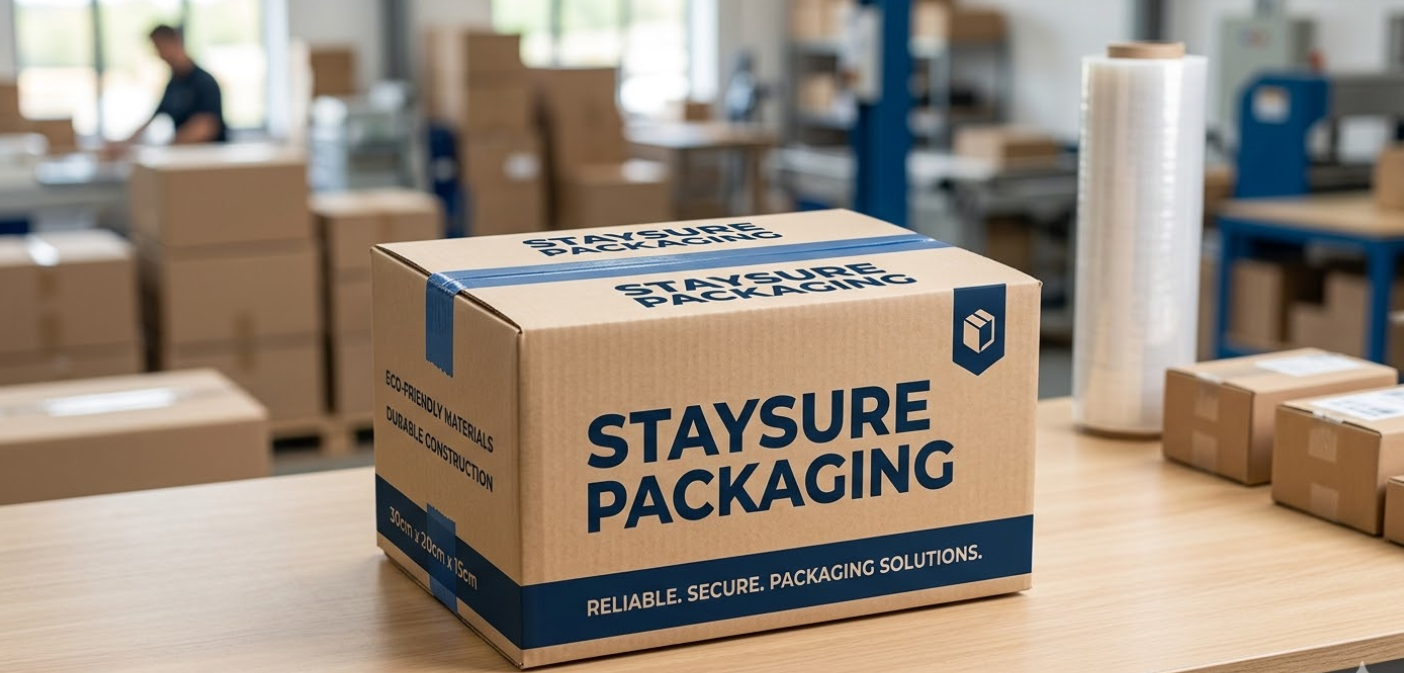
 By staysure
 Good packaging makes a soap feel like a small ritual. It can change how someone perceives scent, quality, and care.
This guide is for brand owners, packaging strategists, and marketing teams. Read on for practical steps and examples you can use.
Overview
Custom soap packaging means tailoring size, material, and design to your brand and product. It goes beyond a sticker or generic sleeve. Many brands prefer sleek boxes, and custom soap packaging solutions are a common choice because they combine look with function.
Packaging matters in soap because customers touch and smell before they buy. Good packaging protects bars and tells a story. This guide suits small makers, retail buyers, and brand teams planning product launches.
Market Context and Rationale
Consumer expectations in skincare and personal care
Buyers expect clean labeling and honest claims. They notice texture, scent strength, and ingredient calls. Packaging that communicates clearly reduces doubt.
Competitive landscape for soap products
The market is crowded. Shelf space is limited. Standout packaging can be the difference between a browse and a purchase.
Packaging as a strategic differentiator
Distinctive shape, colors, or finishes create a visual shortcut for shoppers. That shortcut can lead to higher conversion and stronger brand recall.
Regulatory and sustainability considerations driving packaging choices
Regulations dictate ingredient lists and weight. Sustainability rules, and shopper demand for greener options, push brands to rethink materials and labeling.
Key Benefits of Custom Soap Packaging
Brand Identity and Storytelling
Typography and color set a mood. Choose fonts and hues that match scent and brand voice. Consistency across product lines builds trust.
- Typography: readable, on-brand type makes ingredients legible.
- Color psychology: warm tones can feel cozy; cool tones read clinical.
- Brand voice: writing on the box should match your website tone.
Shelf Impact and Merchandising
First impressions are visual. A clear visual hierarchy guides the eye from logo to scent name to benefits. Size and shape affect how products stack on shelves and displays.
- Visual hierarchy: logo, scent, benefits in that order.
- Price positioning: premium finishes imply higher price.
- Display fit: slim boxes work well in crowded shelves.
Protection and Product Integrity
Soap needs protection from moisture and contaminants. The right materials preserve fragrance and prevent crumbling.
- Moisture barriers keep texture intact.
- Seals or wraps protect fragrance and hygiene.
- Durable board prevents dents in transit.
Consumer Experience and Unboxing
Packaging is part of the product experience. A well-wrapped bar feels like a gift. Reusable or recyclable boxes increase perceived value.
- Perceived value: tactile finishes make a product feel premium.
- Gifting appeal: neat presentation shortens the unboxing routine.
- Reusable packaging: boxes that become storage add utility.
Sustainability and Social Responsibility
Biodegradable or recyclable materials reduce landfill waste. Many shoppers look for clear claims about compostability or recycling instructions.
- Use paperboard from responsible sources.
- Replace plastic windows with compostable film where possible.
- Offer refill or bulk options to cut single-use waste.
Regulatory Compliance and Safety
Labels must list ingredients and net weight. Some markets require tamper-evidence or child-resistant features for certain additives.
- Clear ingredient panels reduce shopper confusion.
- Barcodes and lot numbers help retail and recalls.
- Tamper-evident seals protect trust and safety.
Cost, Efficiency, and Scalability
Unit cost matters but so does perceived value. Small upgrades can raise price without big cost increases. Planning for tooling and production saves delays.
- Balance higher-cost finishes with lower-cost areas.
- Consider minimum order quantities and lead times early.
- Scale designs that can be reused across multiple SKUs.
Design and Material Considerations
Material options
Choose between cardboard, corrugated, paperboard, sleeves, and pouches. Each material offers different strength and visual potential.
Printing methods and color accuracy
Offset gives consistent color for large runs. Digital is cost-friendly for short runs and variable data. Flexography works well for certain board types.
Finishes and tactile cues
Matte and soft-touch finishes feel premium. Foil stamping and spot gloss catch the eye. Pick finishes that match brand tone and shelf lighting.
Structural design
Box styles, inserts, and compartments keep bars secure. Custom molds can hold odd shapes. Inserts prevent movement and damage.
Customization levels
Limited editions let you test new designs. Evergreen designs reduce complexity and reorder costs. Plan a mix that suits your sales cycle.
Size and shape optimization for shipping and display
Compact dimensions save shipping. Shapes that stack well reduce wasted space on shelves and in warehouses.
Sustainability features
Choose recyclable inks like soy, and boards that accept recycling streams. Label materials clearly so consumers know how to dispose.
Compliance, Safety, and Quality
Labeling requirements
List ingredients, net weight, and any warnings. Follow the rules for your selling countries to avoid fines.
Barcode and SKU integration
Add clear barcode placement and SKU info to speed retail onboarding. Test scannability on glossy finishes.
Tamper-evident solutions
Seals, shrink wraps, or perforated tabs show if packaging was opened. Use methods that don't harm product appearance.
Hygienic design and cleanability
Choose materials that resist contamination during packing. Clean production lines reduce recalls and complaints.
Testing and quality assurance
Run tests for moisture resistance, abrasion, and colorfastness. Small lab checks save costly returns later.
Process and Project Management
Discovery and brief
Start with goals, audience, and price point. Clear briefs save redesigns and speed decisions.
Concept development
Create mood boards and rough dielines. Early sketches reveal structure and visual direction fast.
Prototyping and testing
Make physical prototypes and print proofs. Test with a small group for feedback on touch and readability.
Manufacturing and lead times
Know minimums, tolerances, and tooling needs. Plan for vendor selection and quality checks before full runs.
Supply chain considerations
Keep buffer stock for seasonal peaks. Map out alternate suppliers for critical components.
Compliance review and documentation package
Compile labeling, safety data, and certificates. A complete package eases retailer approvals.
Case Studies and Applications
Brand refresh: swapping to thicker board and subtle foil lifted perceived price. Sales rose without a major ad push.
Seasonal launches: limited scents with unique sleeves created urgency and moved old stock quicker.
Sustainability rebrand: moving to compostable wraps reduced returns and generated press interest.
Multi-packs and gift sets: inserts kept bars from rubbing and improved gifting appeal.
Retail adaptations: slimmer boxes for boutiques and sturdier mail-ready boxes for e-commerce.
ROI, Metrics, and Business Impact
Track average order value, conversion, and cart size after packaging changes. Small lifts often cover added cost.
Monitor stock turns and inventory efficiency. Sustainable packaging can improve brand perception and retention.
Measure brand recall and unboxing excitement with short surveys or follow-up emails.
Choosing the Right Partner
Criteria for packaging suppliers
Look for experience, range of capabilities, and relevant certifications. Sample work should match your quality expectations.
Request for proposal essentials
State volumes, materials, finish expectations, and target lead times. Clear RFPs get accurate quotes.
Sampling and validation process
Require print and structural samples. Validate fit, finish, and scannability before full runs.
Intellectual property considerations
Protect unique dielines and artwork with clear agreements. Ask about tooling ownership and reuse rights.
Post-purchase support
Confirm reorder lead times and how replacements are handled. Good vendors help with design tweaks on repeat orders.
Common Challenges and How to Mitigate
Budget limits: prioritize touch points that influence purchase most. Use cost-effective finishes in key areas.
Lead times: order earlier for seasonal launches. Keep safety stock for top sellers.
Design vs. manufacturing: involve manufacturers early to avoid unbuildable ideas.
Shipping protection: test boxed products in transit to balance beauty and durability.
Future Trends in Custom Soap Packaging
- Sustainable materials that behave like plastic but compost.
- Personalization with variable printing for names or messages.
- QR codes and AR to tell origin stories or usage tips.
- Design swings between minimalist and bold maximalist looks.
- Packaging that adapts for e-commerce and retail without redesign.
Practical Playbook: Quick-start Checklist
- Define goals and target audience.
- Establish budget and timeline.
- Choose material and packaging type.
- Draft design brief and brand guidelines.
- Create prototypes and test with focus groups.
- Select supplier and confirm lead times.
- Plan rollout and retailer alignment.
- Measure impact post-launch.
Frequently Asked Questions
How do I justify packaging investment to stakeholders?
Show projected lifts in average order value and conversion from trials. Use competitor benchmarks and quick pilot results to make the case.
What are the most cost-effective materials for soaps?
Simple paperboard and uncoated cards are affordable and recyclable. For added protection, use slightly thicker boards selectively on premium SKUs.
How can I balance luxury feel with sustainability?
Pick tactile finishes that use less material, like soft-touch coatings on thin board. Avoid heavy plastics and opt for recyclable foils or spot finishes.
What packaging sizes work best for hand soaps versus bars?
Hand soaps often need pump bottle boxes or sleeves sized for height. Bars fit snug boxes or sleeves that reduce movement during shipping.
How do I create a packaging design that scales across products?
Develop a modular system with consistent color, logo placement, and type. Use templates that adapt size but keep core branding elements constant.