
 By Contributor
 I almost grabbed a different hoodie for a 6 a.m. flight last winter — something thinner, something I wouldn't mind stuffing in an overhead bin. Then I remembered how the Essentials Hoodie had handled a similar trip a few months earlier: warm enough for the terminal, roomy enough to sleep in on the plane, and it still looked presentable when I landed. I wore it instead. That's basically the whole pitch for this piece. I've had mine in rotation for about eight months now — through gym runs, plane rides, and more laundry cycles than I bothered counting — and I want to walk you through what actually holds up, what doesn't, and where the Essentials Hoodie fits next to the rest of the lineup.
What Makes the Essentials Hoodie Different
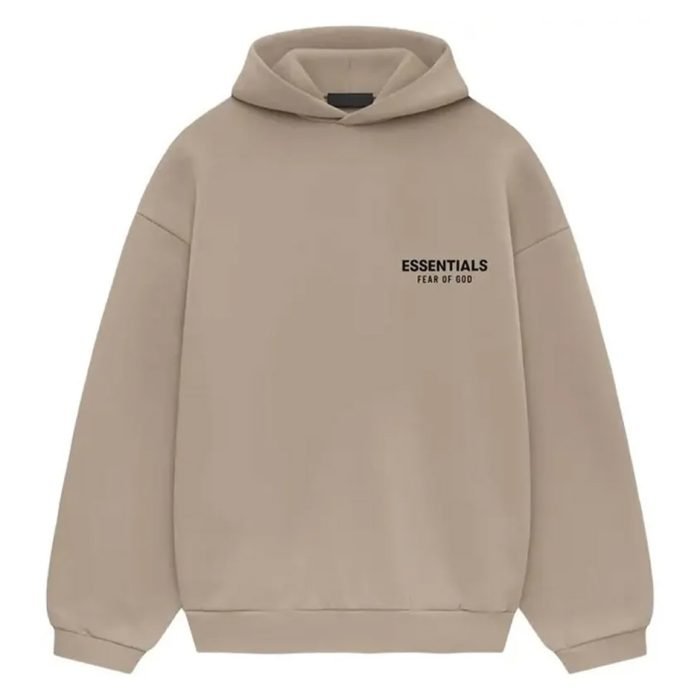
The first thing you notice pulling it out of the bag isn't the logo — it's the weight. This is a mid-to-heavy fleece, not the thin, hoodie-shaped sweatshirt you get from a basics rack. There's real structure to it, and that comes down to a few deliberate choices: a garment-dyed fleece that gives each piece a slightly worn-in, mineral-washed look right out of the box, and a boxy, drop-shoulder cut that sits wider at the seam than a standard fitted hoodie.
That drop-shoulder silhouette is the whole design language in miniature. It's not trying to hug your frame — it's built to layer over a tee in summer or under a coat in winter without feeling constricting either way. The minimalist branding (a small reflective or tonal logo, depending on the drop) means it doesn't scream for attention, which is honestly why it works with almost everything else in a rotation. Day to day, that translates into a hoodie that doesn't feel like "loungewear" or "gymwear" specifically — it just feels like a hoodie you reach for regardless of what you're doing.
Essentials Hoodie vs. the Rest of the Lineup
If you're new to the brand, it helps to know how the Essential Hoodie stacks up against the rest of the collection, because they're not interchangeable — each piece is doing a slightly different job.
Essentials Shirt
The Essentials Shirt — usually a boxy tee or button-up — is the lightest piece and works best as a base layer or standalone in warmer months. It shares the drop-shoulder shape but obviously skips the fleece weight entirely, so don't expect it to double as outerwear.
Essentials Sweatshirt
The Essentials Sweatshirt is the closest cousin to the hoodie, and it's really a question of function: same fleece, same silhouette, minus the hood and drawstring. I reach for the sweatshirt when I want the same warmth without extra bulk around the neck — under a jacket, it sits flatter.
Essentials Jacket
The Essentials Jacket (usually a shell or coach-style piece) is the outer layer, built to go over the hoodie rather than replace it. It's less about warmth on its own and more about wind and light rain resistance.
Essentials Tracksuit
The Essentials Tracksuit pairs a matching hoodie or crewneck with jogger bottoms — it's the head-to-toe version for travel days or lounging, and honestly the fastest-selling combination whenever a new colorway drops. I missed out on a stone/taupe tracksuit set last year because I hesitated for about a week, and it never restocked in my size.
Basically: shirt for warm weather, sweatshirt for lower-bulk warmth, jacket for wind/rain layering, tracksuit for the complete matched look, and the hoodie sitting right in the middle as the most versatile single piece.
How to Style an Essentials Hoodie
This is where the hoodie earns its keep, in my opinion — it's genuinely one of the easier pieces to build outfits around because the boxy fit does a lot of the visual work for you.
Loungewear / travel day: Full Essentials Tracksuit — matching hoodie and joggers, slides, done. This is my actual airport uniform now. Nothing digs in, nothing wrinkles badly, and it looks intentional rather than like pajamas.
Layered under a jacket for fall: Hoodie under a structured overshirt or the Essentials Jacket, with the hood tucked out at the collar. This is the combination I get compliments on most, probably because the bulk of the hoodie fills out the jacket in a way a thin sweatshirt can't.
Elevated streetwear look: Hoodie with tailored (not skinny) trousers and clean low-top sneakers. I was skeptical this would work — fleece next to a more structured trouser felt like it might clash — but the boxy cut actually balances a slimmer pant leg nicely instead of looking sloppy.
Simple everyday: Hoodie, straight-leg denim, and a beat-up pair of trainers. No notes here, it just works, which is honestly the point of a piece like this.
My personal take: the hoodie is at its best when something else in the outfit is more fitted. Pair it with baggy everything and the silhouette starts to swallow you.
Sizing, Fabric Care & Longevity
Sizing is the one area where I'd tell a friend to slow down before checkout. The Essentials Hoodies runs true to size through the shoulders and body length, but the drop-shoulder cut makes it read noticeably boxier than a standard hoodie in the same size — if you're between sizes, or you want a more fitted look, size down. If you want the intentional oversized silhouette it's designed for, stick with your regular size.
On fabric: it's a brushed cotton fleece blend, heavy enough to hold structure without feeling stiff. After roughly ten washes on cold, tumble dried low, mine has softened a bit but hasn't lost its shape — no stretched-out cuffs, no sagging hood. I do machine wash it inside-out to protect the garment-dyed color, and I avoid high heat, which seems to be the main thing that causes early fading on these.
Here's the honest drawback: the fleece does pill slightly after heavy wash cycles, mostly under the arms and along the waistband where there's friction. It's not dramatic, and a fabric shaver takes care of it in a couple of minutes, but it's there, and I'd rather tell you now than have you discover it and feel misled.
Is the Essentials Hoodie Worth It?
I'll give you the balanced version instead of the marketing version. On the plus side: the fabric weight is genuinely good, the fit is flattering if you dress around it rather than against it, and the minimal branding means it won't look dated the way logo-heavy streetwear sometimes does. It's held up to eight months of regular wear with only minor pilling.
On the downside: the price point sits well above a basic hoodie from a mall brand, colorways are limited and sell out fast (see: the tracksuit I missed), and if you're not into a boxy, oversized fit, you may find the silhouette isn't for you no matter the size you order. It's also not doing anything technically groundbreaking — it's a well-made fleece hoodie, not a technical outerwear piece.
Whether it's worth it really depends on what you're comparing it to. Against fast-fashion basics, it's a clear upgrade in fabric and construction. Against other premium streetwear hoodies in the same price bracket, it holds its own but isn't dramatically better — it's more about whether the silhouette and branding match your taste.
FAQs
Is the Essentials Hoodie true to size?
Yes, the Essentials Hoodie runs true to size in the shoulders and length, but it's cut with a boxy, drop-shoulder silhouette that reads roomier than a standard hoodie. If you prefer a closer fit, consider sizing down; if you want the intended oversized look, order your regular size.
What fabric is the Essentials Hoodie made from?
The Essentials Hoodie is made from a brushed cotton fleece that's garment-dyed, giving it a slightly heathered, worn-in look from the first wear. It's a heavier weight fleece than most basic hoodies, which is part of why it holds its shape over time.
How do I style an Essentials Hoodie for different seasons?
In colder months, layer it under a jacket or coach shell for extra warmth and wind protection. In warmer weather, wear it alone over a tee in the evening, or swap to the lighter Essentials Shirt during the day and save the hoodie for cooler nights.
What's the difference between the Essentials Hoodie and Essentials Sweatshirt?
They share the same fleece fabric and boxy silhouette, but the Essentials Sweatshirt skips the hood and drawstring for a lower-bulk layer. Choose the sweatshirt if you're layering under a jacket and want less fabric around the neck; choose the hoodie for standalone wear.
How should I wash and care for an Essentials Hoodie to make it last?
Wash it inside-out on cold with like colors, and tumble dry on low heat to protect the garment-dyed color and prevent shrinkage. Avoid high heat, which speeds up fading, and expect some minor pilling under the arms after heavy use — a fabric shaver handles it easily.
Is the Essentials Tracksuit a good match with the Essentials Hoodie?
Yes — the Essentials Tracksuit typically pairs a matching hoodie or crewneck with joggers, making it one of the easiest head-to-toe options for travel or lounging. It's also historically one of the fastest-selling configurations, so backorders and sold-out sizes are common in popular colorways.
If you're deciding between pieces, it's worth checking the brand's size chart before you order, or taking a look at the full Essentials Sweatshirt guide if you're weighing hood versus no-hood. Either way, it's a solid starting point for building out a simpler, more durable streetwear rotation.